
3 Tips on Choosing the Right Flame Resistant Apparel
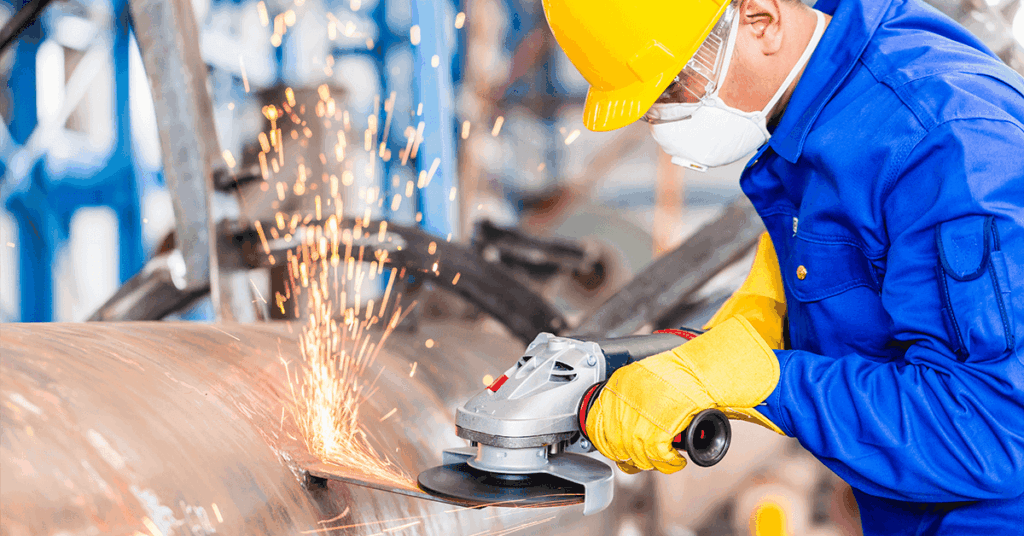
For procurement and safety leaders in high-hazard sectors such as utilities, manufacturing, and transportation, selecting the right flame resistant apparel (FR apparel) is more than just a compliance task. It’s a decision that directly impacts worker safety and operational integrity.
Choosing protective gear involves more than just checking for an “FR” label. This guide breaks the decision-making process into three actionable tips to help you verify compliance with essential standards, match apparel to specific risks, and work with suppliers who understand both safety and logistics.
1. Verify Compliance with Recognized FR Standards
The most critical step when sourcing FR apparel is confirming compliance with widely accepted safety standards. These standards are third-party verified frameworks designed to ensure the garment performs under real-world conditions involving heat or flame exposure.
Know the Two Core FR Clothing Standards:
NFPA 2112: Flash Fire Protection
This standard sets minimum performance requirements for clothing designed to protect industrial personnel from short-duration thermal exposures such as flash fires. It ensures garments self-extinguish and reduces burn severity.
ASTM F1506: Arc Flash Protection
This standard covers textile materials used in garments designed to protect against exposure to electric arcs. It is critical for utility workers, electricians, and other personnel working around energized equipment.
How to Confirm Compliance:
Always check the garment label and supplier documentation. The label should reference a specific standard, such as NFPA 2112 or ASTM F1506. If the garment is not compliant, the label must clearly state:
“This garment is not flame resistant as defined by ANSI/ISEA 107.”
A generic “FR” label is not sufficient. True compliance requires traceable certification aligned with the specific hazard.
2. Match the Garment to the Work Environment
FR apparel must be matched to the type of hazard your workforce faces. A garment designed for one type of risk may not provide protection against another.
Understand the Hazard:
- Flash Fire Risk: If employees work near flammable gases, combustible dust, or chemicals (such as in oil and gas or manufacturing), clothing certified to NFPA 2112 is required.
- Arc Flash Risk: For those working near live electrical equipment (such as in utilities or facility maintenance), compliance with ASTM F1506 and possibly NFPA 70E is essential.
Some jobs require dual protection. Industrial maintenance roles, for example, may need FR clothing that meets both standards.
Consider Fit, Layering, and Comfort:
- Layering: Base layers should be non-melting and non-synthetic to avoid worsening injuries in a fire.
- Fit: Clothing should neither restrict movement nor hang too loosely. Proper fit supports both comfort and performance.
- Dexterity: Workers need flexibility to perform tasks safely. Poorly fitted garments can limit control and increase risk.
3. Choose a Reliable, Transparent Supplier
Sourcing FR apparel for a national workforce involves more than just placing an order. You are trusting a supplier to protect your team, ensure compliance, and streamline logistics.
What to Expect from a Supplier:
- Documentation: The supplier should provide clear certification records, test results, and transparent sourcing details.
- Customization Confidence: For garments with reflective tape or embroidery, quality control is critical. Improper modifications can void certifications.
Simplify with a Managed Uniform Program:
A centralized, software-powered program allows you to:
- Automate Compliance: Ensure employees can only order pre-approved, certified apparel that is suitable for their role.
- Streamline Distribution: Deliver uniforms directly to job sites or homes without manual inventory handling.
Partnering with an experienced, WBE-certified supplier like Unitec Distribution Systems helps ensure compliance, reduce administrative burden, and support supplier diversity initiatives.
Conclusion: Invest in Safety with Smarter FR Sourcing
Choosing FR apparel requires a strategic approach. Always:
- Verify garments are certified to NFPA 2112 or ASTM F1506
- Align the gear with your team’s specific job hazards
- Work with a partner who brings both transparency and technology to the table
Now is the time to audit your current program, assess gaps, and protect your investment in safety and performance.