
Why Uniform Customization Matters: From Branding to Employee Identity
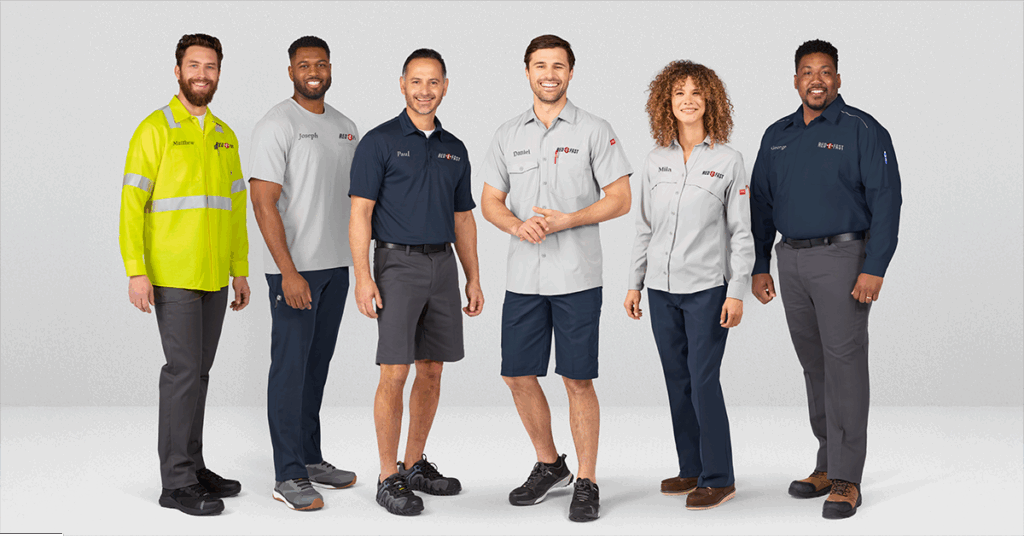
For procurement officers and corporate operations leaders, the work uniform is one of the most visible and consistent representations of a company’s brand. While uniform policies must prioritize compliance and cost control, customization plays an important strategic role. It strengthens brand consistency, supports employee comfort, and improves program adoption across the workforce.
Customization is more than selecting a color or adding a logo. It is a management tool that helps organizations balance external brand expectations with the internal need for employee acceptance.
I. Strategic External Value: Customization as a Branding Tool
A uniform is the physical expression of an organization’s identity. When employees work in public-facing roles such as logistics, utilities, transportation, or government services, their attire influences public perception and credibility. Customization ensures this brand representation remains consistent across all locations and teams.
1. Consistency and Professional Appearance
High-quality customization creates consistent imaging across worksites and roles. This includes precise logo placement, accurate color matching, and reliable embroidery or heat seal quality. When a policy supports durable materials and consistent customization standards, the uniform helps reinforce the organization’s stability and professionalism.
2. Role Identification and Clarity
Customization can be used to differentiate roles or departments without disrupting the core uniform standards. For example, managers may have distinct embroidery, or safety teams may wear specialized high-visibility vests with additional identification. This helps internal and external audiences quickly identify authority levels, improving clarity, safety, and operational efficiency.
II. Strategic Internal Value: Supporting Employee Comfort and Identity
A common challenge in uniform program management is driving high adoption. When uniforms feel generic, uncomfortable, or poorly fitted, employees may resist wearing them as intended. Customization helps address comfort, fit, and personal identity within a structured policy.
1. Improving Comfort and Fit
Comfort affects productivity and employee satisfaction. Offering customization within approved guidelines allows the uniform to support the physical demands of the job.
Examples include:
- Gender-specific fits
- Ergonomic cuts that support movement
- Options for different inseam lengths or cuts
- Limited style choices within brand standards
These controlled customization options promote a sense of ownership and reduce friction during daily wear.
2. Reinforcing Team Identity
Personalized details, such as department patches, name badges, or tenure-based insignia, help employees feel recognized. These small additions contribute to unity and pride, especially in large organizations where teams work across multiple locations.
III. Managing Customization at Scale with Technology
For many procurement leaders, customization can feel like a logistical challenge. Without the right systems, it can introduce complexity, cost unpredictability, and quality control issues. A rules-based uniform management platform helps control and automate the entire process.
1. Controlled Customization Through Role-Based Rules
Modern uniform management systems assign customization options based on the employee’s role, location, or department. The system shows each user only what they are authorized to order, helping maintain consistency and preventing unauthorized selections.
2. Integrated Fulfillment and Pre-Assembled Kits
Customization can be incorporated directly into fulfillment. Through kitting, customized items for a specific employee are pre-assembled into a single package. This pre-check process supports accuracy, reduces shipping errors, and accelerates onboarding for new hires.
Conclusion: Customization as a Strategic Investment
Uniform customization is a strategic investment that supports both organizational consistency and employee satisfaction. When managed through a controlled, technology-enabled program, customization helps leaders achieve two important goals: meeting brand and safety requirements while supporting a more engaged and confident workforce.
By using a thoughtful, rules-based approach, organizations can strengthen performance, simplify management, and gain more value from every uniform issued.